Will Virtual Learning Revolutionize Educational Ecosystem..?
In the matter of a few weeks, communities and businesses around the world have been struck by an unexpected challenge arisen by COVID-19. The spread of COVID-19 has resulted in the closing of educational institutions worldwide. As the affected regions started locking down to combat the coronavirus threat, students were sent home without a clear-cut plan to continue studying. The hope was that this would pass soon enough and that some downtime could be provided to the students. However, as the virus has spread from one area to another, it has become increasingly clear that this lockdown is not going to end any time sooner. This closure has facilitated the creation of electronic learning environments within those organizations in order to avoid interruption of learning.

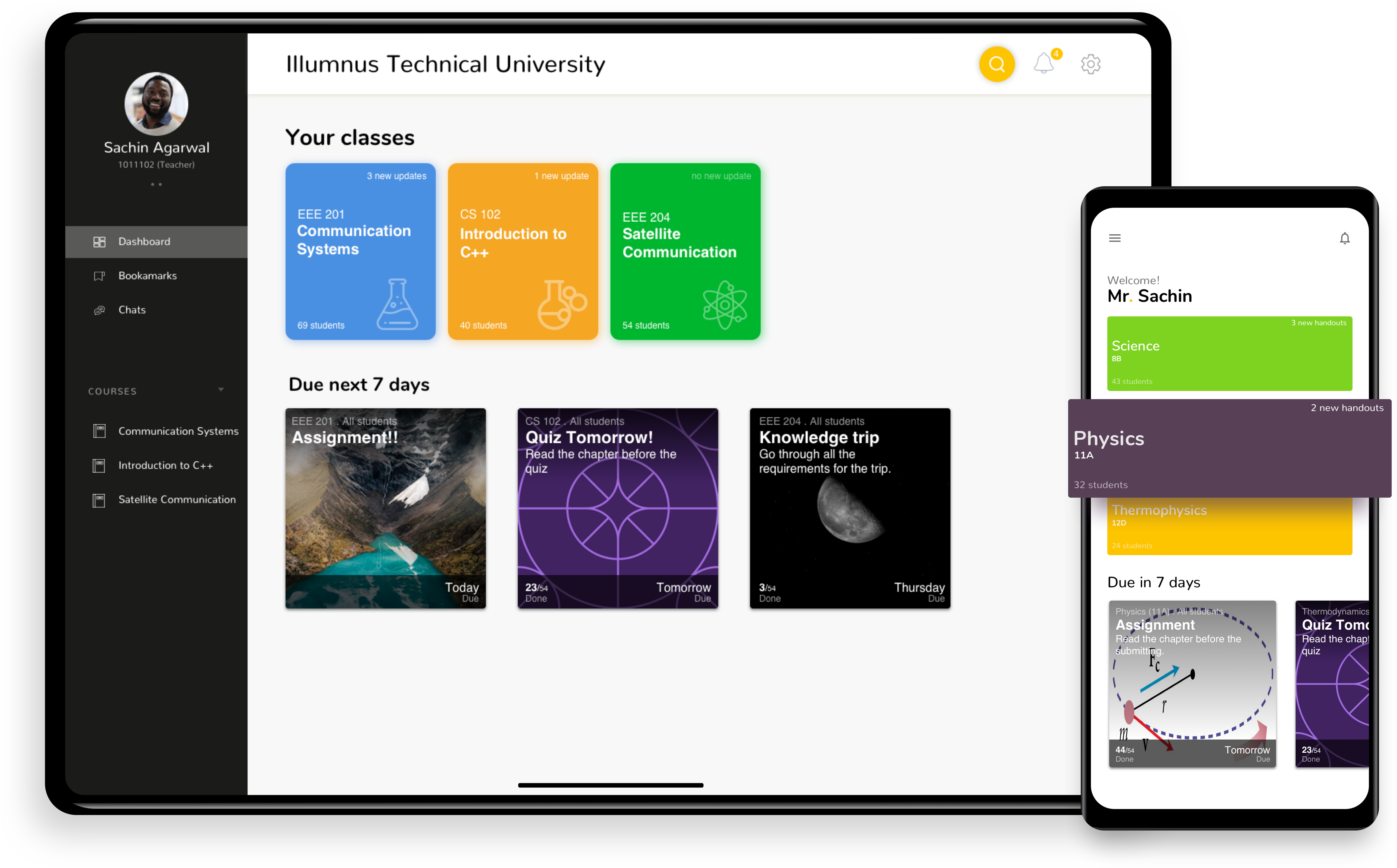
E-learning provides easy, on-the-go, inexpensive access to classes and seems to be a feasible option for students during this period. Compared to traditional classrooms, e-learning comes as a fascinating and engaging option too.
It is a timely moment of understanding the importance of learning online. By offering free online courses or competitive discounts on e-learning apps, many ed-tech companies have sought to exploit the occasion and have received an overwhelming response.
It is a timely moment of understanding the importance of learning online. By offering free online courses or competitive discounts on e-learning apps, many ed-tech companies have sought to exploit the occasion and have received an overwhelming response.
Scope of Virtual Learning
Virtual learning has a long way to go, before it can be used as a possible solution to school education. Face-to-face contact is generally viewed as a stronger form of communication, compared to Virtual learning. Online education has received some success globally.
Not all educational institutions are trained to do this but they seek to learn quickly with the aid of the e-learning platforms and resources already available. For example, In February, students in Hong Kong began studying at home via interactive applications to help stop the spread of the virus. In China, via live television broadcasts, 120 million Chinese people have access to learning materials. In India, many institutions have adapted online learning and have numerous students enrolling, but still we have a long way to go, before digital learning is seen as mainstream education.
Not all educational institutions are trained to do this but they seek to learn quickly with the aid of the e-learning platforms and resources already available. For example, In February, students in Hong Kong began studying at home via interactive applications to help stop the spread of the virus. In China, via live television broadcasts, 120 million Chinese people have access to learning materials. In India, many institutions have adapted online learning and have numerous students enrolling, but still we have a long way to go, before digital learning is seen as mainstream education.
Virtual learning is here to stay
Covid-19 however has inspired experts to reconsider the modern form of education. Digital education seems to be a feasible option for filling the gap for classroom education for a span of three to four months, thus reducing students’ chances of any contamination before classes resume. This will promote inclusive education by learning from India’s diverse geographies. In addition, it will give educators the ability to come up with personalized learning strategies for each student. Additionally, the shot in the arm for digital education would be ‘smaller screens’ and ‘increased concentration’ of ed-tech companies on vernacular modules.



Comments
Post a Comment